
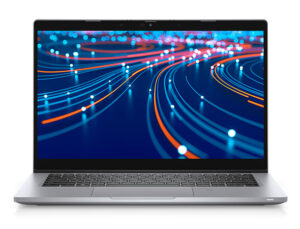
Every office has one: a store cupboard, a corner of the server room, a stack of boxes under someone’s desk, where IT waste disposal quietly gets put off. Old laptops, monitors and dead hard drives pile up there, forgotten, because clearing them out never feels urgent. Then, one day, someone finally decides it’s time for a clear-out.
That’s usually when the trouble starts.
Most businesses treat IT waste disposal as a logistics problem: get the old kit out of the building, free up some space, move on. In reality, it sits right at the crossing point of three things regulators, insurers and customers all take seriously: data protection, environmental law, and reputation. Get it wrong, and “we’ll deal with it later” can end up costing far more than anyone budgeted for.
The data risk hiding in every old hard drive
Here’s what most people don’t realise: deleting a file, or even running a factory reset, doesn’t actually erase it. The data typically just sits there, recoverable with software anyone can download, long after the recycle bin has been emptied. A single old hard drive can hold the rough equivalent of a warehouse of filing cabinets: contracts, invoices, HR files, customer records, all of it. None of that disappears just because a laptop has been switched off and pushed to the back of a cupboard.
That becomes a genuine problem the moment the device leaves the building, whether it’s sold on, donated, or sent out with general waste. The only way to be certain sensitive data is truly gone is physical destruction or certified erasure, carried out by someone who can prove it happened. Anything less is a guess dressed up as a solution.
The legal exposure most businesses don’t budget for
IT waste disposal in the UK isn’t loosely regulated. It’s genuinely strict, and two separate sets of obligations apply at the same time, which is usually where businesses come unstuck.
The first covers the equipment itself. Electrical and electronic waste falls under the WEEE Regulations, which set out exactly when old IT equipment legally counts as waste rather than reusable kit. Putting it out with general commercial waste isn’t just poor practice, it can be a breach of the law, and the Environment Agency has the power to investigate, prosecute, and fine businesses that don’t comply, with no upper limit on the penalty.
The second covers the data sitting on it. Under UK GDPR, a business stays responsible for personal data even after a device has left the building. If that data is later exposed because a disposal company cut corners, it’s still the original business that’s accountable, and the ICO can fine organisations up to £17.5 million or 4% of global annual turnover, whichever is higher, for serious failures. That’s before factoring in the cost of investigating a breach, notifying everyone affected, and rebuilding trust afterwards.
None of this is limited to large enterprises, either. A ten-person consultancy retiring a few old laptops carries exactly the same legal obligations as a 500-seat call centre decommissioning a server room. The scale of the clear-out changes. The rules don’t.
The environmental and reputational side
Electronic waste is one of the fastest-growing waste streams in the world, and a significant share of it still ends up in landfill or gets processed in ways that would never be permitted here. For a business, that stopped being an environmental footnote a while ago. Customers ask about it. Procurement teams put it in tender questions. Auditors want evidence, not reassurance.
Being able to show exactly what happened to a piece of equipment, who collected it, how the data was destroyed, and where the materials ended up, has quietly become part of running a credible business. Not having that evidence to hand is a risk of its own, even when nothing has technically gone wrong yet.
What proper IT waste disposal actually looks like
None of this is complicated to get right, provided it’s handled by people who do it properly every day. At Tec Hut, that means a straightforward four-step process: equipment is collected and logged against a full asset inventory, data is destroyed using certified methods such as secure erasure or hard drive shredding, everything is recycled in line with WEEE requirements, and the business is left with a certificate of destruction and a complete audit trail.
It’s backed by accreditations that mean something, rather than just looking good on a website: ISO 27001 for information security, ISO 9001 for quality, membership of the UK Secure Shredding Association, registration with the Environment Agency as a licensed waste carrier, and ICO registration for data protection. That’s the difference between hoping old IT has been dealt with properly and knowing it has, in writing.
If your business is still treating IT waste disposal as an afterthought, or isn’t sure a current provider can actually prove what happens to equipment and data after collection, it’s worth a conversation before that cupboard fills up any further.
FAQs
Is it illegal to put old computers in general waste in the UK?
Electrical and electronic equipment falls under the WEEE Regulations and shouldn’t go in with general commercial waste. It needs to be collected and treated by an authorised carrier and facility instead.
Does deleting files or resetting a device count as secure disposal?
Not on its own. Standard deletion and factory resets can leave data recoverable. Genuine security means certified data destruction, through secure erasure software or physical destruction, backed by documented proof.
How can I tell if an IT disposal company is actually compliant?
Ask directly about their accreditations. ISO 27001, Environment Agency waste carrier registration, and ICO registration are a good starting point. A properly compliant provider will also issue a certificate of destruction and an audit trail for every collection, not just a verbal assurance.